
Madrid Derbi controversy: The Right Way to Address Complaints
The Madrid Derbi controversy has sparked significant discussion among fans and officials alike. Many understand the complaints surrounding the recent match, but the methods used to express them have raised eyebrows.
Understanding the Madrid Derbi controversy
The Madrid Derbi controversy has sparked intense debate among football fans and officials alike. Central to the issue are the tensions that arise during matches between Real Madrid and Atlético Madrid, two of the most storied clubs in Spain. This rivalry, known for its passionate supporters, has occasionally led to disputes regarding officiating and fan behavior.
Javier Tebas, president of La Liga, recently addressed the situation, stating, “I understand the complaints, not the methods.” His comment highlights a growing concern over how grievances are expressed during these high-stakes encounters. Supporters often voice their frustrations in the heat of the moment, but this can lead to incidents that overshadow the spirit of the game.
In light of the Madrid Derbi controversy, it is essential to promote dialogue between clubs and the league to foster a positive atmosphere. This could involve:
- Establishing clearer guidelines for fan conduct.
- Encouraging respectful communication between rival supporters.
- Implementing educational programs about sportsmanship.
By addressing complaints constructively, all parties can contribute to a more harmonious football environment.
Tebas’ response to the complaints
In recent statements, La Liga president Javier Tebas addressed the ongoing Madrid Derbi controversy, acknowledging the concerns raised by fans and clubs alike. He emphasized that while he comprehends the frustrations surrounding certain incidents, he does not endorse the methods used to voice these complaints.
Tebas remarked, “I understand the complaints, not the methods,” highlighting his belief that constructive dialogue is crucial for resolving conflicts. He pointed out that the passion of supporters, especially during high-stakes matches like the Madrid Derbi, can lead to heated reactions, but stressed the importance of maintaining a level of respect and decorum.
Furthermore, he called for a collaborative approach to address grievances, urging clubs and fans to engage in discussions rather than resorting to protests or negative actions. Tebas believes that fostering a positive environment will ultimately benefit the sport and enhance the experience for everyone involved.
In conclusion, while recognizing the validity of the concerns, he advocates for a more respectful means of addressing issues related to the Madrid Derbi and its surrounding atmosphere.
Analyzing the methods of protest
The recent Madrid Derbi controversy has sparked widespread discussion about the appropriate methods for expressing grievances within football. Fans and stakeholders have voiced their concerns regarding the handling of the matches, but the way these complaints are articulated plays a crucial role in their reception.
Several methods of protest have emerged, including:
- Chants and banners: Supporters often use vocal and visual displays during matches to communicate their frustrations.
- Social media campaigns: Online platforms serve as a space for fans to organize and amplify their messages.
- Boycotts: Some groups have considered abstaining from matches as a form of protest against perceived injustices.
While these methods aim to draw attention to the Madrid Derbi controversy, they can also lead to misunderstandings with officials like La Liga president Javier Tebas, who has expressed his understanding of the complaints but criticized the approaches taken. The balance between passion and respect is essential in fostering a constructive dialogue.
Implications for future matches
The Madrid Derbi controversy has raised significant questions about the future of matchday conduct and fan expression. As tensions between clubs and supporters continue to evolve, the implications for future matches are far-reaching.
Firstly, the growing scrutiny on fan behavior may lead to stricter regulations during high-stakes derbies. Clubs might implement more comprehensive security measures, which could inadvertently stifle legitimate expressions of dissent among fans.
Furthermore, the response from governing bodies like La Liga could set a precedent for how similar situations are handled in the future. If the focus shifts towards punitive measures rather than dialogue, it may alienate supporters and create a more hostile environment.
Moreover, clubs must recognize the importance of engaging with their fan bases. Open channels for communication could pave the way for resolving grievances without resorting to disruptive protests, ensuring that the spirit of the game is preserved.
Ultimately, addressing the Madrid Derbi controversy constructively will be essential for maintaining the integrity of the sport while respecting the voices of passionate fans.
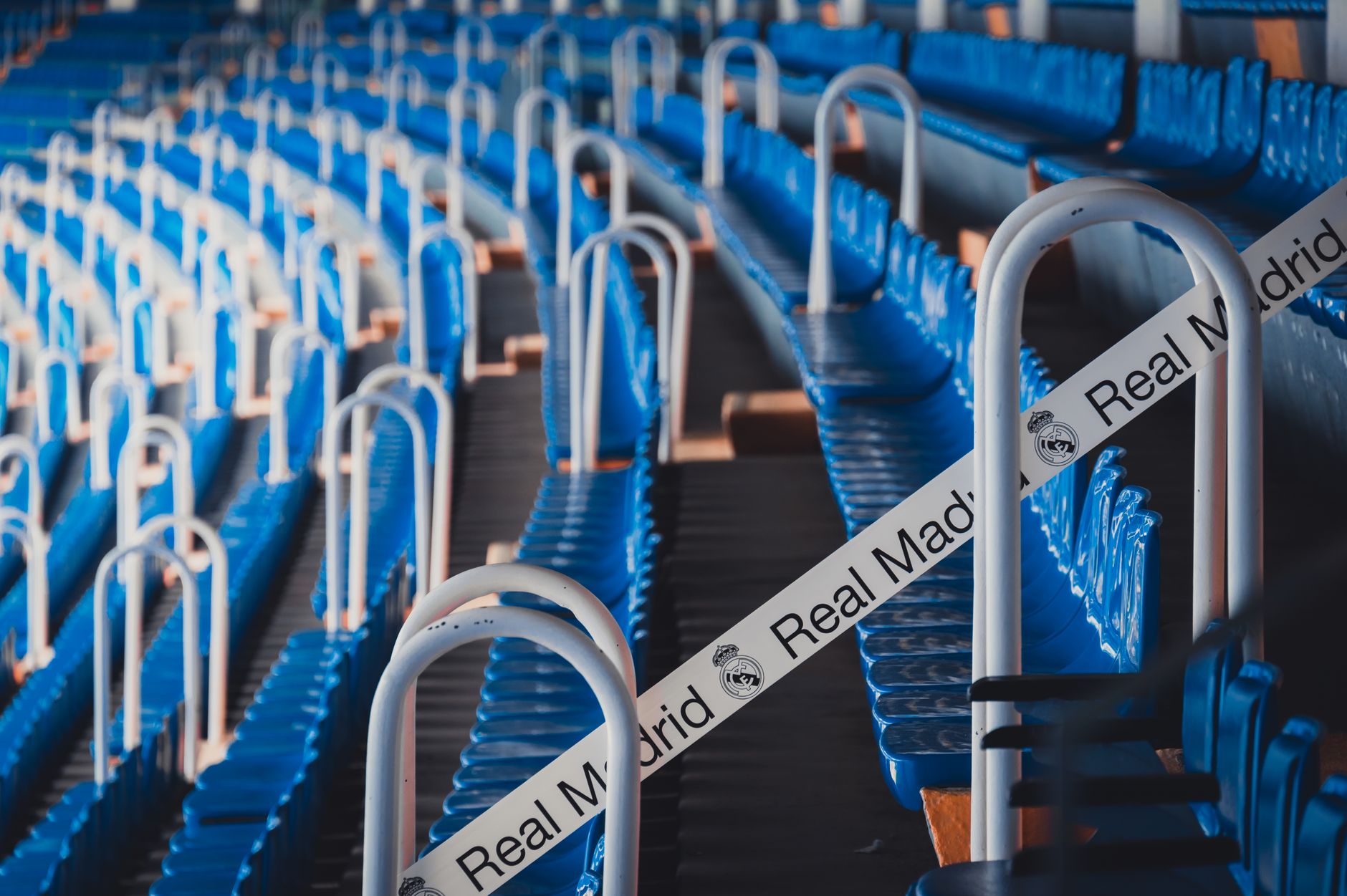
Photo by Zekai Zhu on Pexels