

Is Indian domestic cricket the worst fit for modern play?
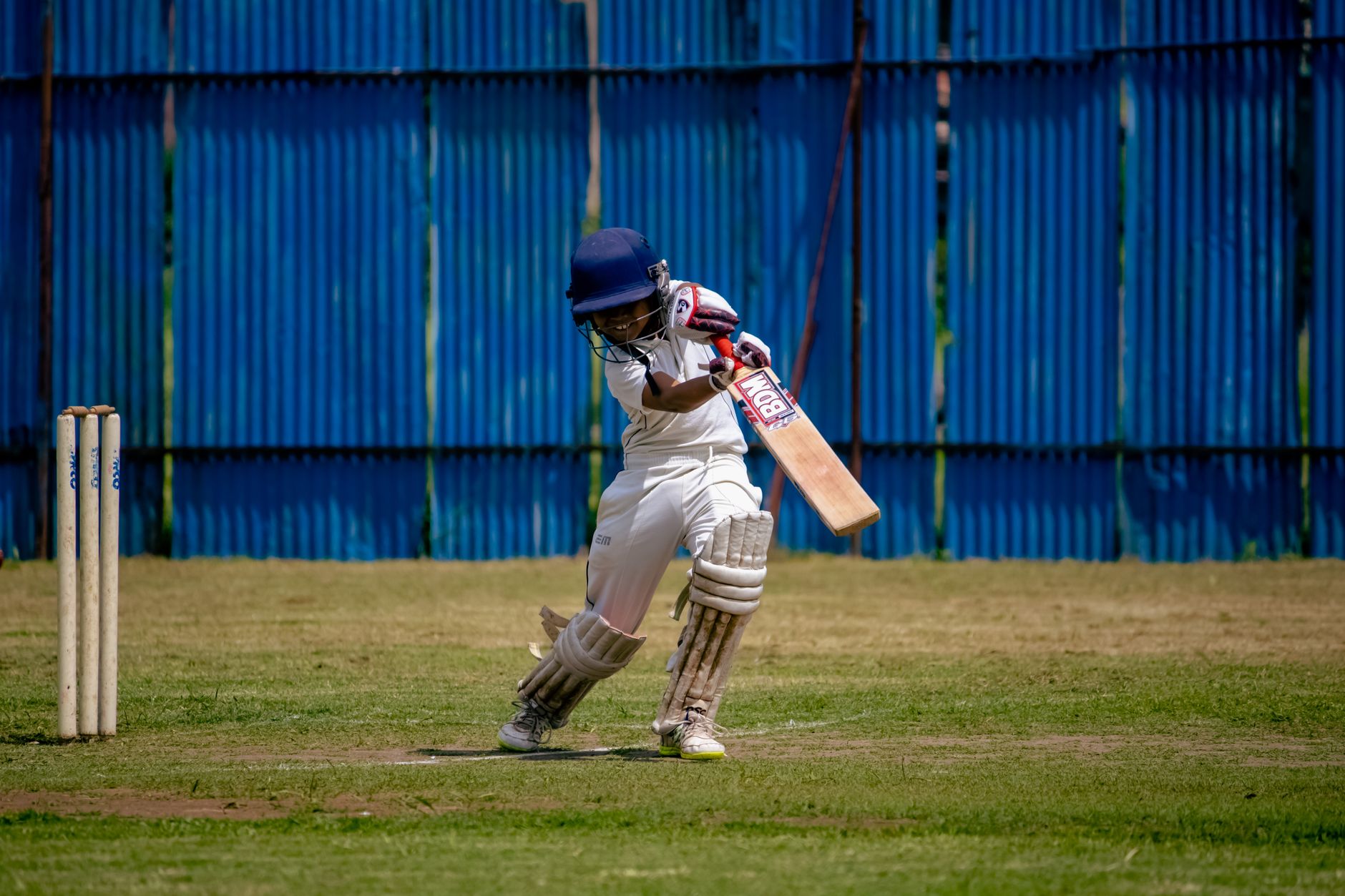
Indian domestic cricket is facing scrutiny as the East Zone’s 708 highlights its misalignment with modern cricket. This six-decade-old rule may no longer serve the evolving game.
Understanding Indian Domestic Cricket
Indian domestic cricket has a rich history, serving as the backbone of the sport in the country. However, recent performances have sparked debate about its relevance in the modern game. The structure of domestic competitions, which has remained largely unchanged for decades, raises questions about its adaptability to the evolving needs of players and fans alike.
Key points to consider include:
- Format: The traditional formats may not align with the fast-paced nature of contemporary cricket.
- Player Development: Young talents often find it challenging to transition from domestic to international levels.
- Viewership: The audience’s preferences are shifting towards shorter formats, leaving longer formats struggling for popularity.
As discussions around the future of Indian domestic cricket continue, it becomes essential to evaluate how the system can evolve to better prepare players for international competition.
The Evolution of Cricket Rules
The game of cricket has undergone significant changes over the years, particularly in terms of rules and playing styles. As the sport evolves, certain aspects of Indian domestic cricket seem to lag behind, raising questions about their relevance in contemporary play.
One major area of evolution is the format of matches, which has shifted towards shorter, more dynamic versions that cater to modern audiences. Traditional rules established decades ago are now being challenged, especially when it comes to scoring rates and innovative strategies.
Key changes in cricket rules that have gained traction include:
- Introduction of T20 formats – This has revolutionized how the game is played, focusing on aggressive batting and entertainment.
- Powerplays – Designed to promote scoring and excitement, these have changed the dynamics of the game.
- Technology in umpiring – The use of technology has improved decision-making and fairness in matches.
As Indian domestic cricket grapples with these shifts, its adherence to outdated rules may hinder its ability to adapt and thrive in the modern cricket landscape.
Challenges Facing Modern Cricket
As the landscape of cricket continues to evolve, Indian domestic cricket faces significant challenges that may hinder its adaptation to modern play. One major issue is the length of matches, as traditional formats often clash with the fast-paced nature of contemporary cricket.
Additionally, players frequently express concerns over the inconsistency of pitches across different venues, which can affect performance and player development. Furthermore, the disparity in resources and infrastructure among domestic teams can lead to uneven competition.
Key challenges include:
- Outdated Rules: Some regulations from decades ago do not align with the current demands of the game.
- Player Retention: Talented players often migrate towards more lucrative T20 leagues, leaving domestic formats struggling to retain talent.
- Visibility and Sponsorship: Limited media coverage affects the promotion and growth of Indian domestic cricket.
These factors collectively raise questions about the future of Indian domestic cricket in a rapidly changing sporting environment.
How East Zone’s 708 Highlights Issues
The recent performance of East Zone’s 708 in the Indian domestic cricket circuit has sparked significant discussion regarding the relevance of longstanding rules in modern play. Critics argue that a six-decade-old rule, which remains in place, hampers the evolution of the game. This score, while impressive, highlights several issues that are increasingly out of step with contemporary cricket dynamics.
Key concerns include:
- Scoring Systems: The traditional metrics may not accurately reflect player capabilities and contributions.
- Player Development: Restrictions can stifle the growth of emerging talent, limiting their exposure to innovative strategies.
- Fan Engagement: Modern audiences favor fast-paced, high-scoring matches, and the old rules may fail to captivate new fans.
As Indian domestic cricket continues to evolve, it is crucial to reassess these outdated regulations to align with the demands of contemporary cricketing standards.
Comparing Domestic and International Play
When comparing domestic and international play, significant differences emerge that highlight the challenges faced by Indian domestic cricket. While international matches have evolved to embrace aggressive batting and innovative strategies, the rules governing domestic competitions often lag behind. This disparity can affect player development, as talents nurtured in an archaic framework may struggle to adapt to the demands of modern cricket.
Several key factors contribute to this divide:
- Playing Conditions: Domestic venues may not offer the same quality of pitches and facilities found in international games.
- Exposure: Players in the domestic circuit often miss out on high-pressure situations that refine skills essential for international success.
- Coaching Standards: The level of coaching in domestic cricket can vary, impacting the overall development of players.
As Indian domestic cricket continues to grapple with these issues, the need for reform becomes increasingly urgent.
Fan Reactions to Domestic Cricket
Fans have taken to social media to express their opinions on the current state of Indian domestic cricket. Many have pointed out the stark contrast between the traditional format and the fast-paced nature of modern play.
- Support for Change: A significant number of fans argue that the existing rules fail to engage younger audiences who prefer shorter formats.
- Preserving Tradition: Others emphasize the importance of maintaining the rich heritage that Indian domestic cricket represents, suggesting that the game should evolve without losing its essence.
- Player Development Concerns: Some fans are worried that outdated regulations hinder the growth of emerging cricketers, limiting their exposure to contemporary strategies and techniques.
Overall, the mixed reactions highlight a crucial debate about the future of Indian domestic cricket and its alignment with the demands of modern play.
Future of Indian Cricket Leagues
The future of Indian domestic cricket is under intense scrutiny as the game evolves rapidly. With the advent of modern play, many argue that traditional formats and rules may no longer resonate with today’s audience. Critics believe that the lengthy matches and outdated regulations are barriers to attracting new fans and nurturing young talent.
As leagues become more competitive globally, Indian domestic cricket must adapt to keep pace. There are calls for a reevaluation of the structure and scheduling, focusing on shorter formats that align better with contemporary viewing habits. The rise of T20 leagues has already shown the potential for innovation within the sport.
- Emphasizing youth engagement through revamped tournaments.
- Incorporating technology to enhance the viewing experience.
- Potential partnerships with international leagues for cross-promotion.
Ultimately, the survival and success of Indian domestic cricket may hinge on its willingness to embrace change while honoring its rich traditions.
Expert Opinions on Rule Changes
Experts in the cricketing community have begun to voice their concerns regarding the relevance of Indian domestic cricket rules in today’s fast-paced game. Many believe that the traditional structures and regulations are stifling the growth of new talent and failing to prepare players for international competition.
According to former cricketer Anil Kumble, “The rules governing domestic cricket need to evolve if we want our players to succeed on the global stage.” He emphasized the importance of adapting to modern play styles, which increasingly prioritize agility and innovation.
Similarly, cricket analyst Lisa Sthalekar noted that “Time has come for a reevaluation of the length and format of domestic matches to align with the demands of the international scene.” The consensus among experts is that without significant changes, Indian domestic cricket may struggle to produce players who can thrive in contemporary cricket environments.
Photo by Sandeep Singh on Pexels
Sources
Related reading
Pranav Constructions IPO: Best Proven Investment Opportunity · Rahul Roy’s Brain Stroke: What Are the Real Challenges? · Fun88 Account Setup: Quick and Easy Steps for a Seamless Start