

Prediction Markets Regulation: What’s the Right Approach?
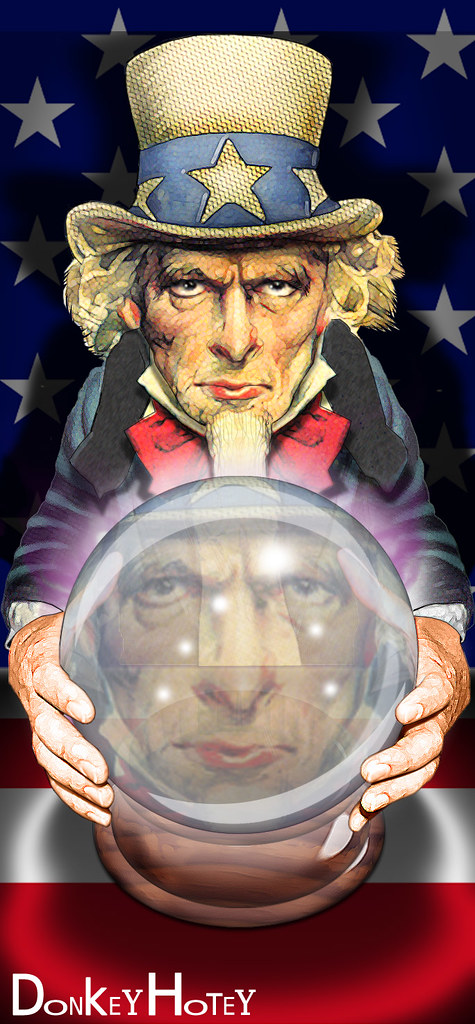
prediction markets regulation is becoming a contentious issue as Utah charges Kalshi and its founders. This legal battle raises significant questions about the future of prediction markets in the U.S.
Overview of Prediction Markets
Prediction markets are platforms where individuals can buy and sell contracts based on the outcome of future events. These markets operate on the principle that collective knowledge can yield accurate forecasts, making them valuable tools for various industries, from politics to sports.
Participants wager on events such as election results, economic indicators, and even entertainment outcomes. The prices of contracts fluctuate based on the perceived probability of each event, allowing users to profit from their insights and analysis. As the popularity of prediction markets has grown, so too has the need for clear prediction markets regulation.
In recent developments, states like Utah have begun to take a closer look at how these markets should be governed. Key issues include:
- Legal Status: Determining whether prediction markets are considered gambling or legitimate trading platforms.
- Consumer Protection: Ensuring that participants are safeguarded against fraud and misinformation.
- Market Integrity: Preventing manipulation and ensuring fair practices within the trading environment.
As discussions around regulation continue, the balance between innovation and oversight remains a critical challenge for lawmakers and industry stakeholders alike.
What Are Prediction Markets?
Prediction markets are platforms where individuals can trade contracts based on the outcome of future events. These markets function similarly to traditional stock markets, allowing participants to buy and sell shares that reflect their predictions about various scenarios, such as election results or economic indicators.
Key characteristics of prediction markets include:
- Informed Trading: Participants often use their knowledge and insights to make educated bets, which can lead to more accurate predictions.
- Real-Time Information: As new information becomes available, the prices of the contracts adjust accordingly, reflecting the collective wisdom of the market.
- Diverse Applications: Prediction markets can be used for a variety of purposes, including political forecasting, sports outcomes, and even corporate decision-making.
However, the rise of these markets has sparked discussions about prediction markets regulation. Different jurisdictions have varying approaches to regulating these platforms, raising questions about legality and oversight. As seen in recent developments, such as the case involving Kalshi and its founders in Utah, the regulatory landscape is complex and evolving. Stakeholders are grappling with how to balance innovation and consumer protection in this emerging field.
Utah’s Charges Against Kalshi
In a significant turn of events, the state of Utah has filed charges against Kalshi, a prominent player in the prediction markets arena. The charges come amid growing tensions over the appropriate regulation of prediction markets, which have gained popularity for their potential to forecast outcomes on various events.
Kalshi, which operates a platform allowing users to trade on the outcomes of future events, is facing scrutiny from state regulators who argue that the company is operating without the necessary licenses. The charges highlight a broader debate regarding who should have the authority to regulate these emerging financial instruments.
Critics of the current regulatory framework argue that the lack of clear guidelines stifles innovation and limits consumer access to prediction markets. Conversely, regulators contend that oversight is essential to protect investors and ensure fair practices in an industry that can be prone to manipulation.
As the situation evolves, the outcome of Utah’s case against Kalshi could set a precedent for how prediction markets are regulated across the United States. Stakeholders from various sectors are closely watching the developments, as the resolution may significantly impact the future landscape of prediction markets regulation.
Implications for the Industry
The recent charges against Kalshi by the state of Utah highlight significant implications for the prediction markets industry. As regulators increasingly scrutinize these platforms, the future of prediction markets regulation becomes a hot topic among stakeholders.
One major concern is the potential for stifling innovation. As states seek to impose their own regulations, startups may find it challenging to navigate a patchwork of rules. This could lead to:
- Increased Compliance Costs: Companies may need to invest heavily in legal and compliance resources to meet varying state regulations.
- Market Fragmentation: Different regulatory approaches could result in fragmented markets, limiting user access and participation.
- Stunted Growth: A restrictive regulatory environment may deter new entrants, ultimately slowing down the evolution of prediction markets.
Conversely, clear and consistent regulations could foster a safer environment for users, potentially increasing public trust in these platforms. As the industry grapples with these issues, stakeholders will need to advocate for regulations that promote both innovation and consumer protection.
Ultimately, the direction of prediction markets regulation will play a pivotal role in shaping the landscape for years to come.
Expert Opinions on Regulation
Experts in the field of finance and regulatory policy are divided on the best approach to prediction markets regulation. Some believe that a light-touch regulatory framework could foster innovation and allow these markets to thrive, while others argue for stricter oversight to protect consumers and maintain market integrity.
According to Dr. Emily Harrington, a professor of finance at a leading university, “Prediction markets offer a unique way for individuals to express opinions on future events. A balanced regulatory approach can harness their potential without stifling growth.”
Conversely, former SEC official James Lee cautions, “The lack of clear regulations can lead to abuses and misinformation. We need robust guidelines to ensure that these markets operate fairly and transparently.”
Regulatory frameworks vary significantly across jurisdictions, with some states adopting a more permissive stance while others, like Utah, are taking a stricter approach. As the debate continues, industry leaders emphasize the need for collaborative dialogue between regulators and market participants.
Ultimately, the outcome of ongoing regulatory discussions will shape the future of prediction markets and their role in the broader financial landscape. Stakeholders must consider both innovation and consumer protection in determining the best path forward for prediction markets regulation.
Future of Prediction Markets
The future of prediction markets is increasingly uncertain as regulatory scrutiny intensifies. As evidenced by recent actions taken by Utah against Kalshi, the landscape for these platforms is rapidly evolving. Stakeholders are now faced with the challenge of navigating a complex regulatory environment that could reshape the industry.
Experts suggest that the future of prediction markets hinges on several key factors:
- Clarity in Regulations: It is essential for regulators to provide clear guidelines on how prediction markets should operate. This will enable companies to innovate while ensuring compliance.
- Public Perception: The acceptance of prediction markets by the general public will influence their growth. A positive perception can lead to increased participation and investment.
- Technological Advancements: As technology continues to evolve, so too will the capabilities of prediction markets. Enhanced security and user interfaces could attract a broader audience.
- International Standards: The establishment of international regulations could create a more level playing field, allowing for smoother operations across borders.
Ultimately, the regulation of prediction markets will play a pivotal role in determining their viability and growth potential in the coming years.
As lawmakers grapple with the complexities of prediction markets regulation, the need for a balanced approach that fosters innovation while protecting consumers becomes increasingly evident. Stakeholders are calling for a dialogue on prediction markets regulation to ensure that these platforms can operate effectively within a clear legal framework.
By DonkeyHotey via Openverse
Where this came from
Nakamura Leads Chess: Is This the Best Win Strategy? · Afghanistan cricket win: Proven strategies for success · IGA-NCAI Task Force’s Smart Plan Against Prediction Markets